Heel pain is the most common problem we treat — and one of the most fixable. Whether it’s a first-step stab under the heel in the morning or a stubborn ache at the back of the heel after sport, lasting relief starts with an accurate diagnosis of which structure is actually hurting.
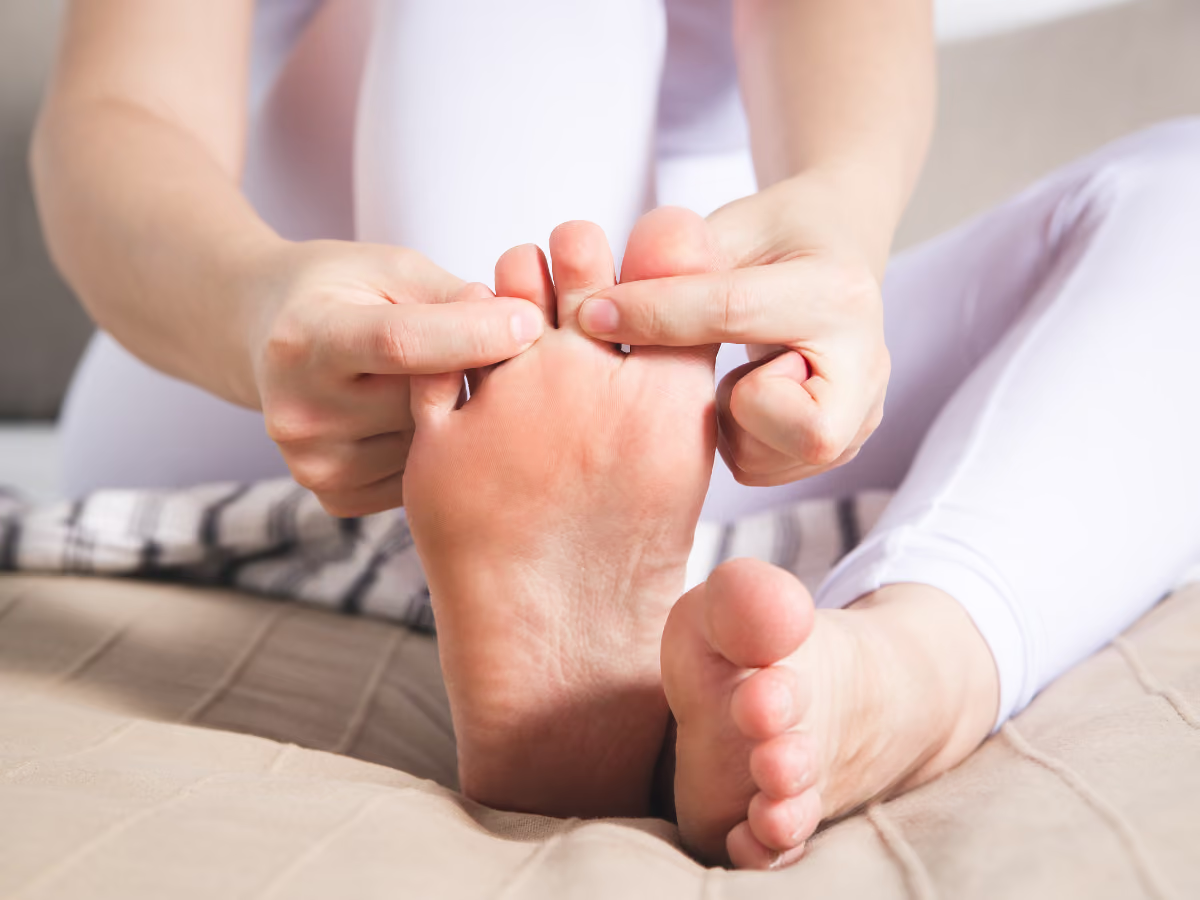
Different conditions hurt in different places. Pain under the heel usually points to plantar fasciitis, a bruised fat pad or a heel spur. Pain at the back of the heel usually points to Achilles tendinopathy or heel bursitis — or Sever’s disease in active kids.
Where does your heel hurt?
Choose the spot that matches your pain to read more.
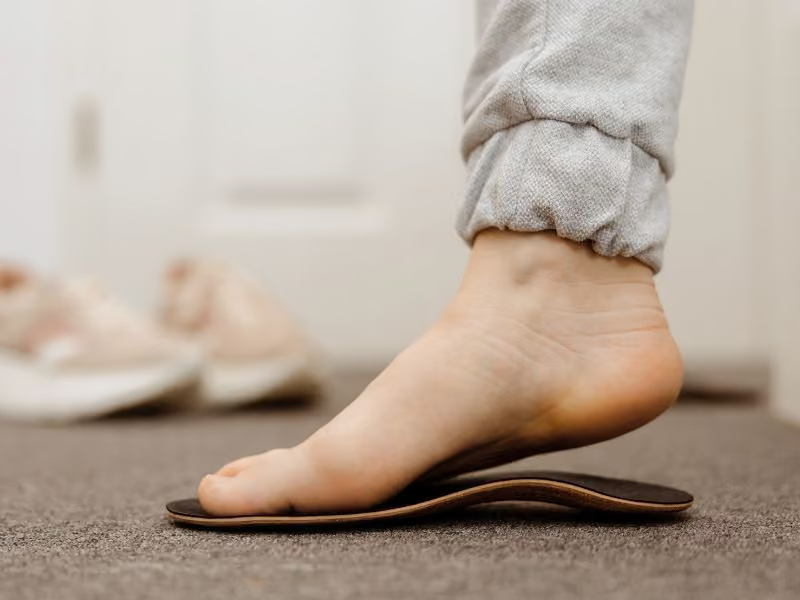
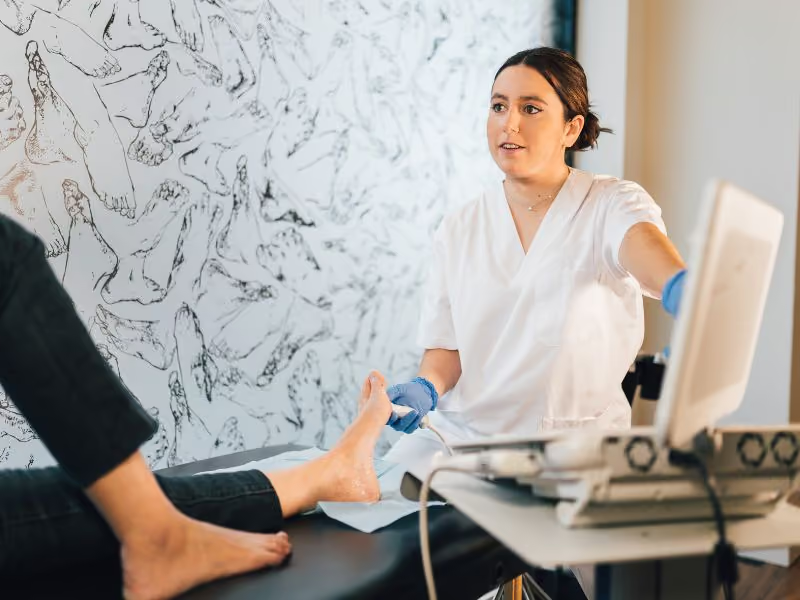
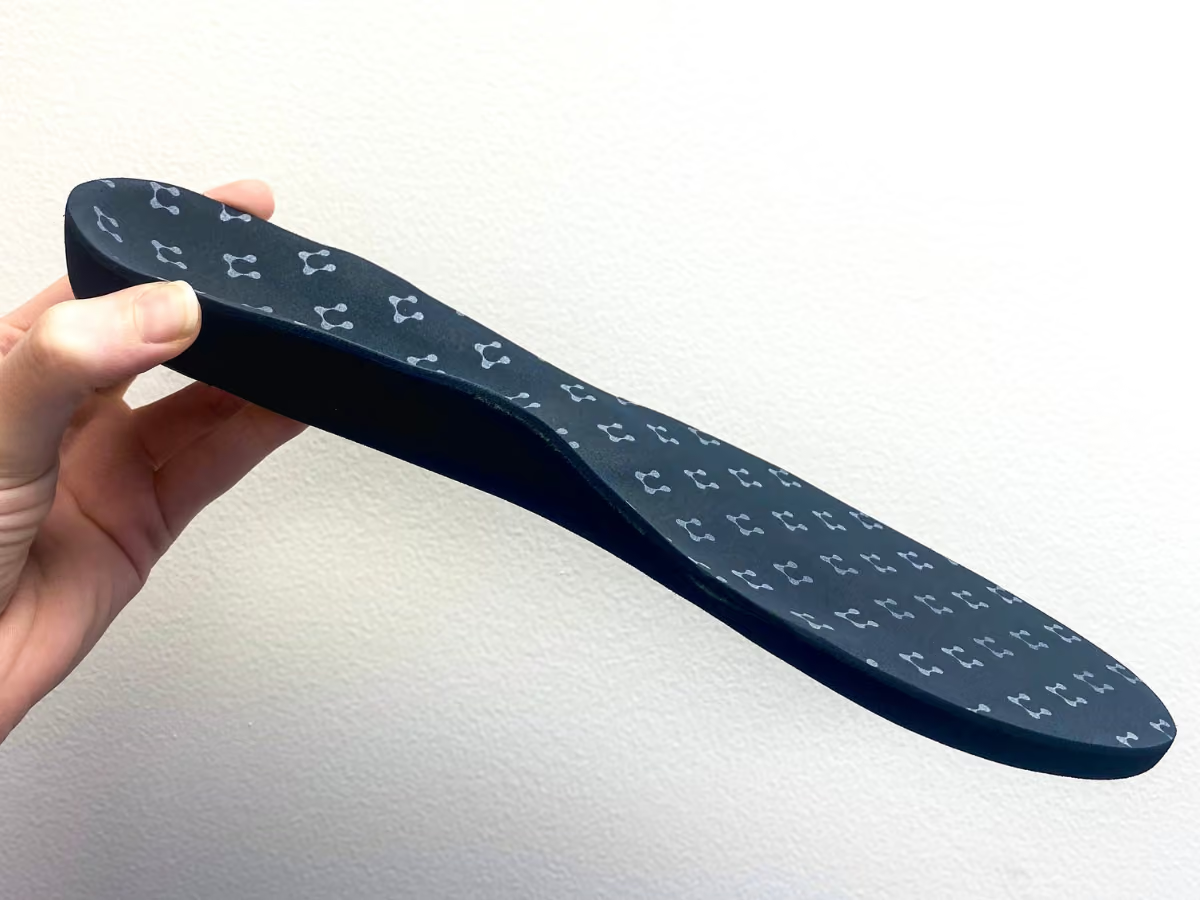
We work out the true source first, then combine the right tools for your feet: Sensokinetic orthotics to correct the mechanics overloading the heel, a progressive loading and stretching program, shockwave therapy for stubborn cases — and now laser therapy, available only at our Maroochydore head clinic.
No referral is needed, you can claim on the spot with HICAPS, and we treat heel pain at all six clinics across the Sunshine Coast and Brisbane — Caloundra, Maroochydore, Nambour, Noosa Heads, Taringa and Deception Bay. Find your nearest clinic or book online.
Most cases of plantar fasciitis improve within 6 weeks to 3 months with the right treatment plan. Stubborn or long-standing cases can take longer and often respond well to shockwave therapy. The earlier you start treatment, the faster you tend to recover.
No — you can book directly without a referral. If your GP has set up a Chronic Disease Management (CDM/EPC) plan, we can treat you under it, and you may be eligible for a Medicare rebate.
Yes. You can claim on the spot with HICAPS using your private health fund card, so you only pay the gap on the day.
Most people tolerate shockwave therapy well. It can feel mildly uncomfortable during the few minutes of treatment, but there is no downtime and you can walk out and carry on with your day.
We treat patients across the Sunshine Coast (Maroochydore, Caloundra, Noosa, Buderim, Kawana and surrounds) and Brisbane (CBD, plus northern and southern suburbs).
Yes. We offer advanced high-intensity (Class IV) laser therapy for stubborn plantar fasciitis and Achilles pain, currently available only at our Maroochydore head clinic. It is non-invasive, comfortable and has no downtime, and works well alongside shockwave therapy, orthotics and a loading program.
Visit us at one of our eight locations on the Sunshine Coast or Brisbane.
Book an assessment today